Oct 11, 2026
8 min read
- Career
- Business
- SaaS
- Freelance
- Entrepreneurship
I coded for passion, then to learn, then for money, then for reputation. Only at the last step did I understand the rule that makes programming pay: once you have the skills, build only to solve a real problem. Five stages, one lesson.
Looking back at my path, I did not code for the same reason every year. I coded for passion, then to learn, then for money, then for reputation, and finally to solve other people’s problems. Each stage was necessary. But only the last one is the one where people pay, and it took me five stages to understand why.
This is that path, stage by stage, with what each one taught me.
1. Coding for passion: Buku My Class
I started programming because it was fun. Making a computer do what I had imagined felt like magic, and I wanted more of it. My first real project in that spirit was Buku My Class, an application that let secondary school students read their class notes from anywhere, where I worked on both the React frontend and the backend between 2018 and 2021.
I was not thinking about customers or revenue. I was thinking about whether the feature worked and whether I could build the next one. That is exactly what the passion stage is for.
Passion is what makes you spend a weekend on a bug nobody asked you to fix. That is how the fundamentals get in.
What it gave me: the basics of the web stack, the habit of finishing things, and the first proof that code I wrote could be used by people I would never meet.
What it did not give me: any idea of how software becomes a business.
2. Coding to learn and sharpen skills: KADEA and Upperz
The second stage was deliberate. I took on projects not because they paid the most, but because they would stretch me.
At KADEA Academy I built Attendacy, a student attendance application for a coding school, with Express.js and React. A small scope, but real users every morning and immediate feedback when something was wrong.
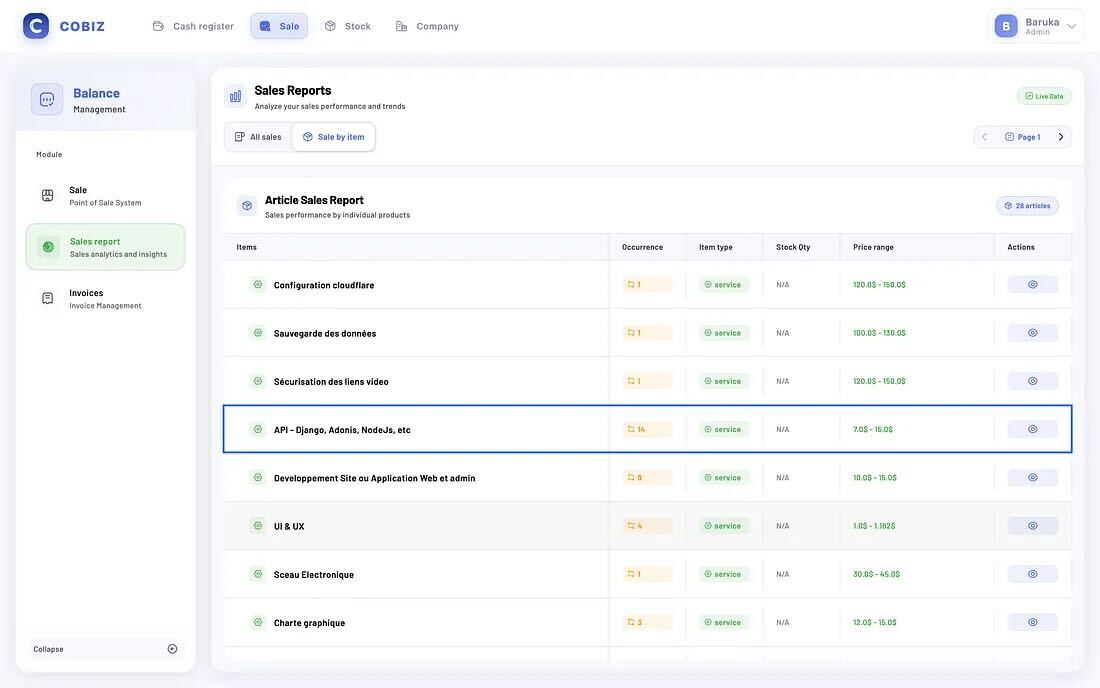
At Upperz in 2023, I was the lead backend developer on Cobiz, an application for managing sales, stock, customers and invoices. This was the first time I owned the backend of a system that a business would run on all day: data models for stock movements, invoices that had to be right to the last unit, customer accounts, reports that an owner would actually read.
You do not learn architecture from a course. You learn it the first time a wrong number on an invoice is your fault.
What it gave me: backend design under real constraints, the discipline of being responsible for data that matters, and a first look at how a business thinks about its stock, its sales and its customers.
3. Coding for money: AdminAtete
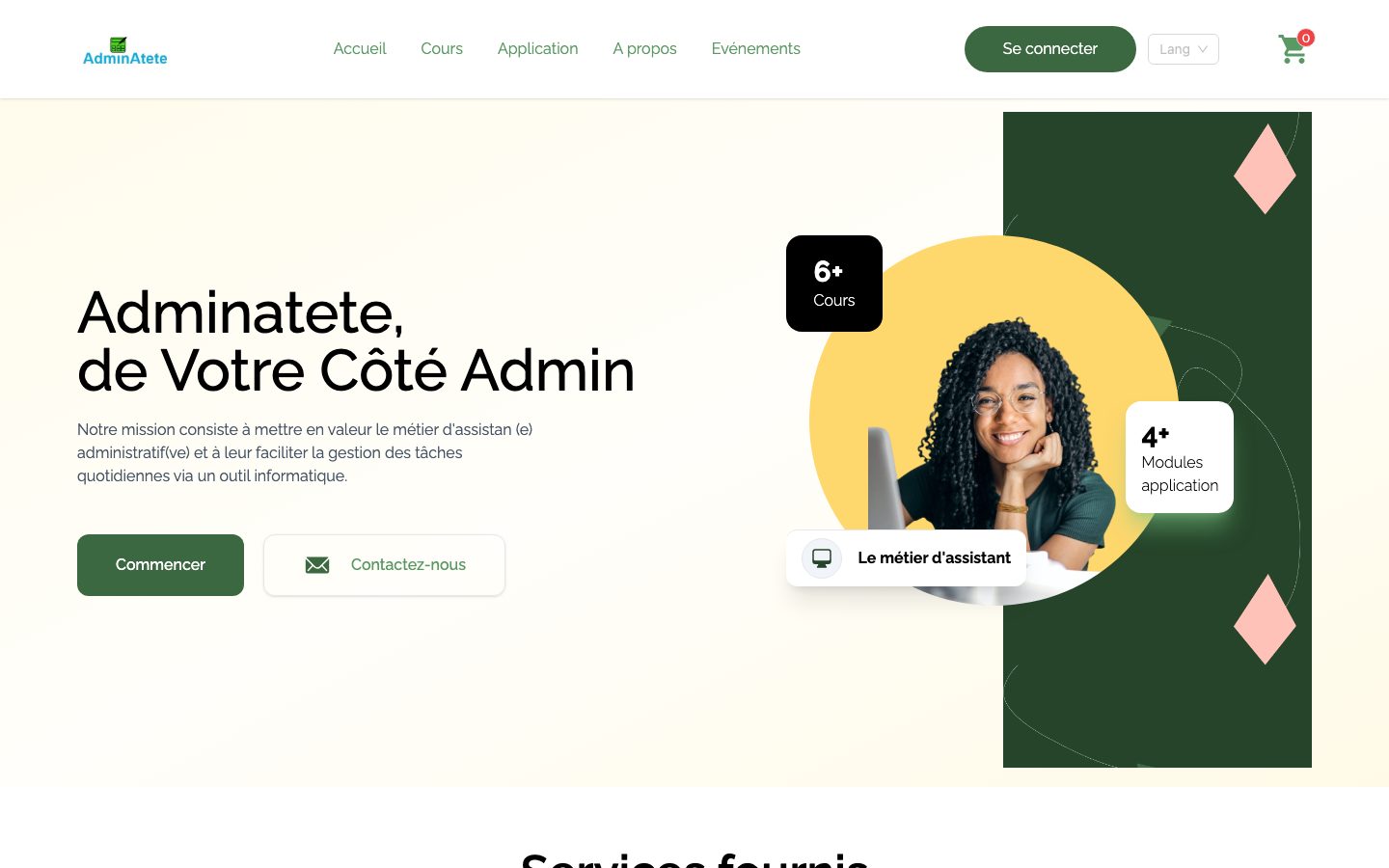
The third stage was about being paid for expertise. In 2023 I worked as a full-stack developer, with Express.js and Next.js, for AdminAtete, a Belgian tech start-up offering digital services to businesses, including a document archiving application.
Archiving is not glamorous. It is search, categorisation, access rights, storage, and the guarantee that a document filed today can be found in three years. But this is where I gained two things at once.
The first was technical experience: production systems, security, performance on real volumes of data.
The second mattered more: learning to answer a client’s needs. Not what I found interesting to build, but what the client actually needed, expressed in their words, delivered on their schedule. A client does not pay for a feature. They pay for a worry that goes away.
The client never asked for a faster search. They asked to stop losing documents. The search was my answer, not their request.
4. Open source to build a reputation: Ever Teams and Ever Gauzy
By then I had skills and some experience, but very few people knew it. The fourth stage fixed that.
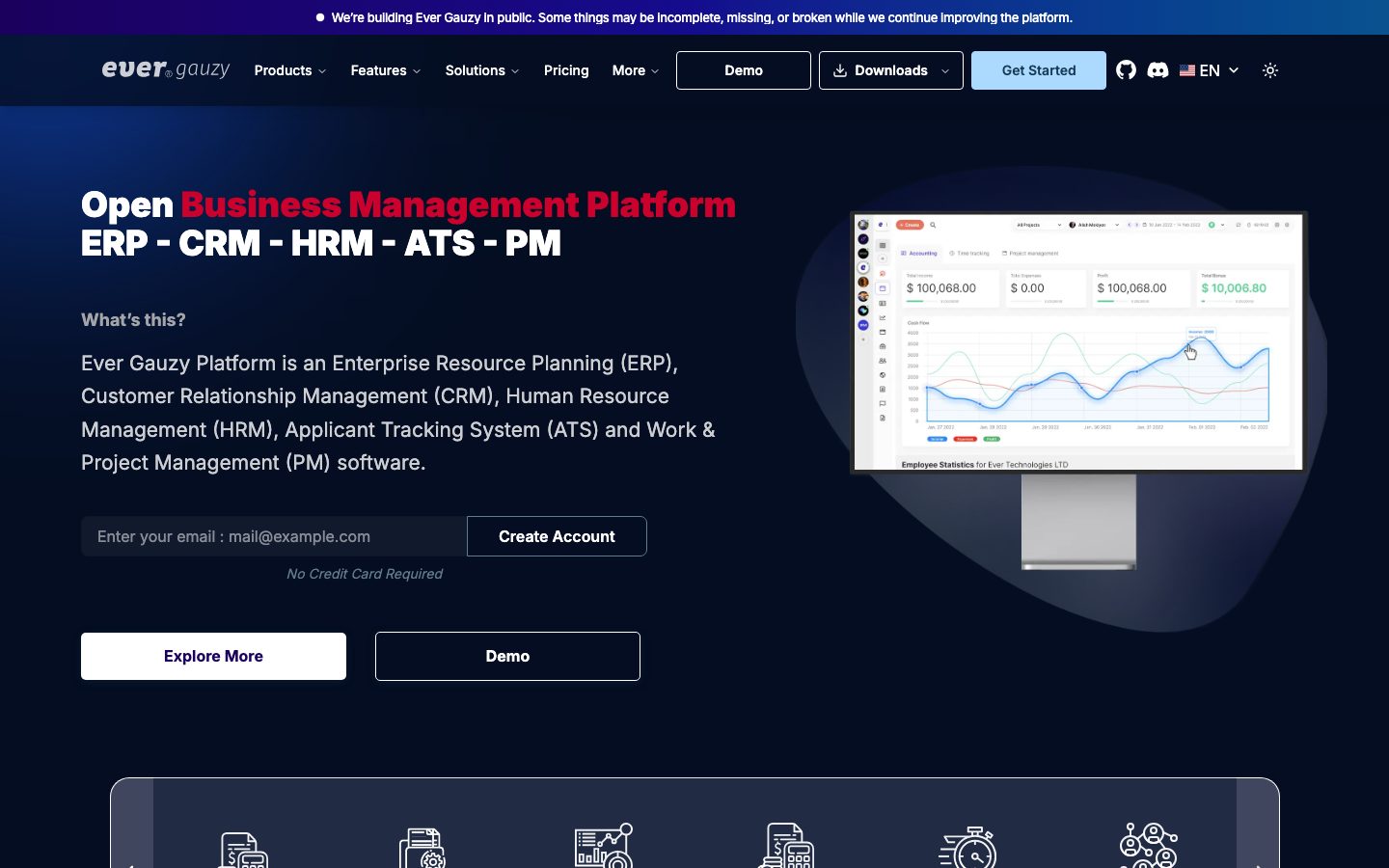
Since November 2023 I have worked at Ever Technologies on two open-source platforms: Ever Gauzy, an open business management platform covering ERP, CRM, HRM and project management, and Ever Teams, an open work and project management platform. I work across the stack, with Nest.js, Next.js and React Native.
Two things happened. First, I learned to develop in a team on public projects: pull requests reviewed by people on other continents, conventions you do not get to choose, code that stays readable for someone who joins next year. That is a different skill from building alone.
Second, my work became visible. A prospect does not have to take my word for anything. They can read my commits, see how I handle a review, and check that I ship.
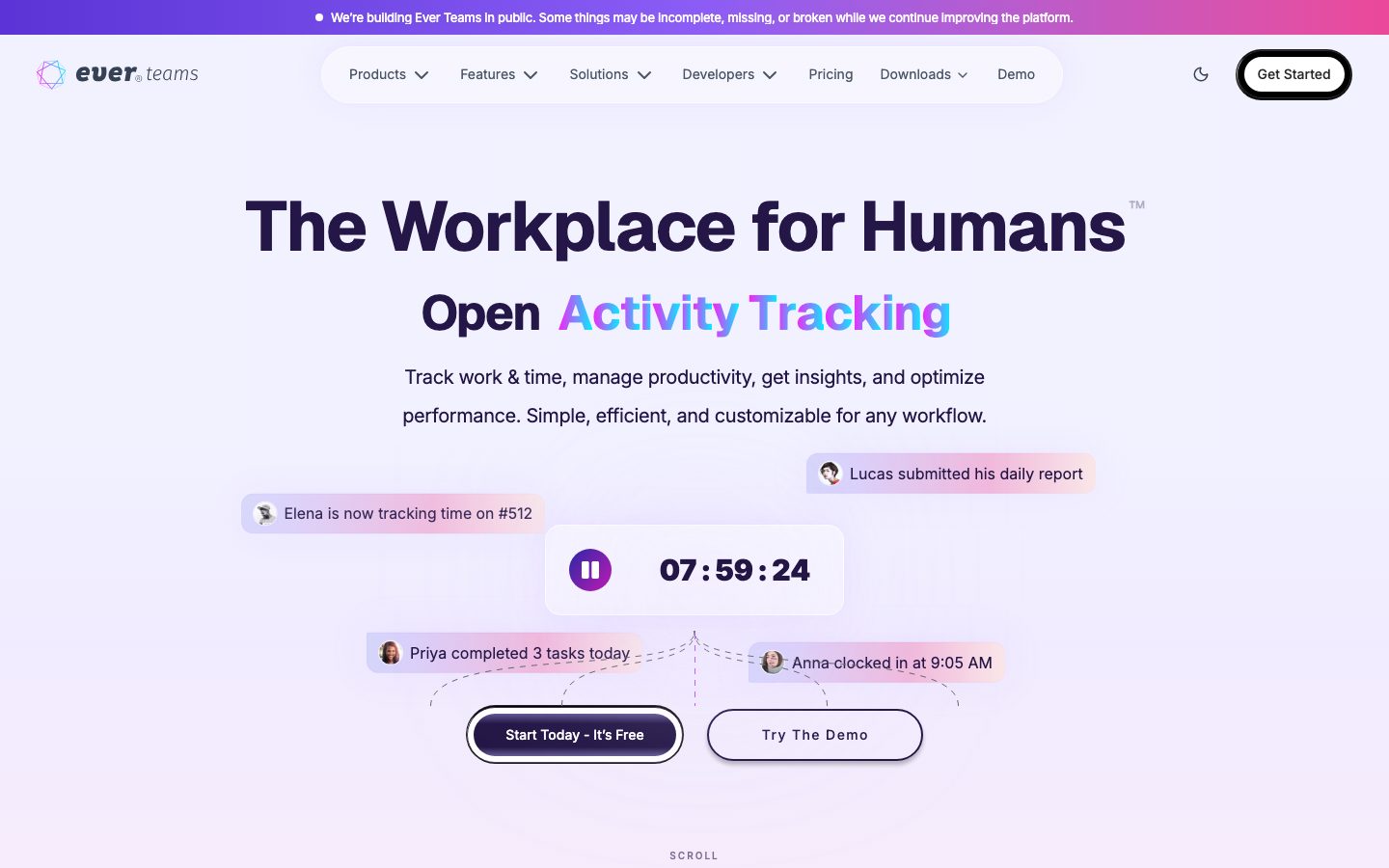
Open source is the cheapest marketing a developer can do. You pay in commits, and the receipt is public.
5. Coding to solve clients’ problems directly
With the skills, the experience, and the reputation, I could finally do what I had wanted to do since the beginning: build solutions directly for the people who have the problem, and be paid by them.
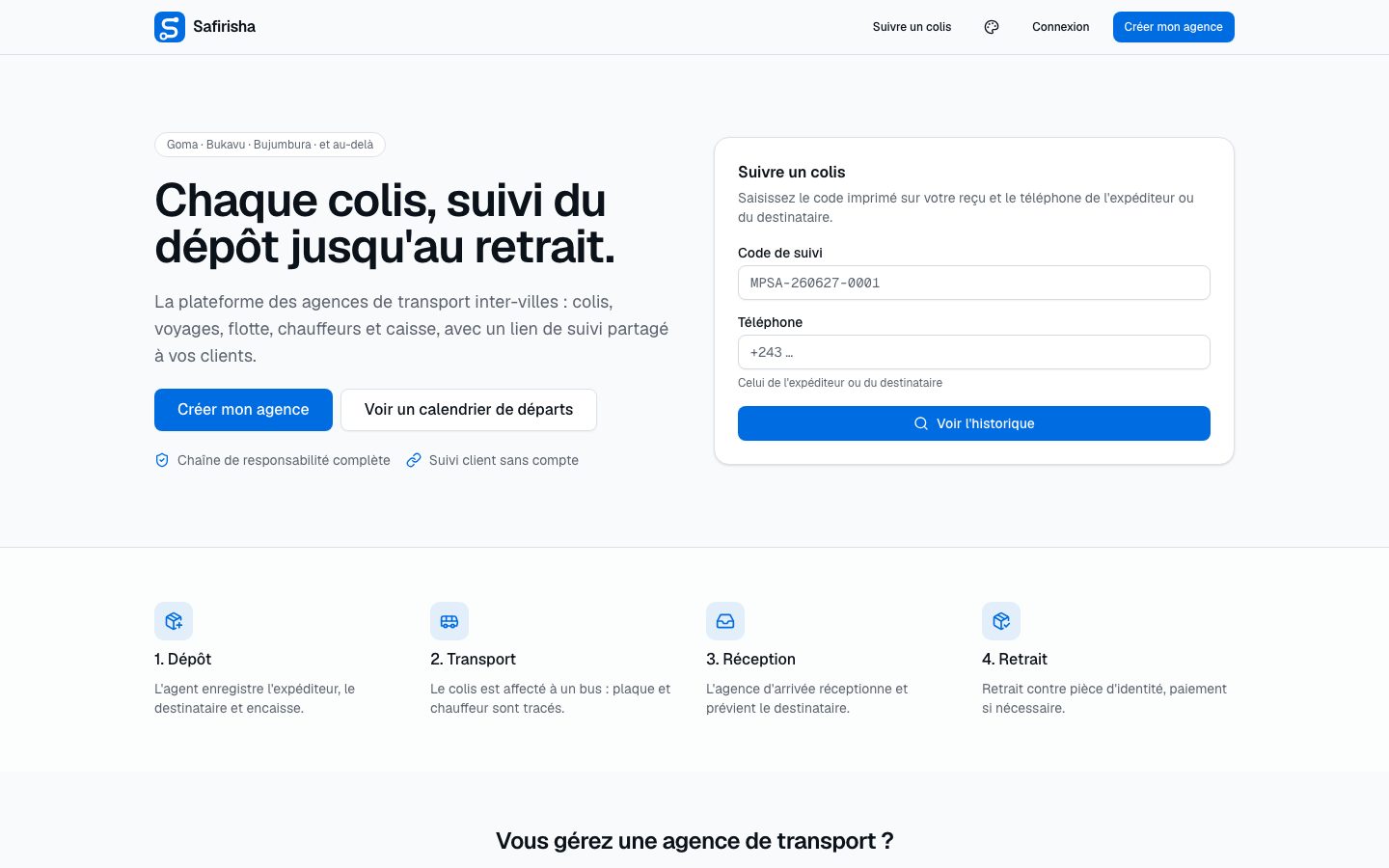
Safirisha started as a rewrite of what I had seen at One Stop Center, where agencies of a transport company shared parcel information. The original only handled parcels. Safirisha became an all-in-one platform for inter-city transport companies: parcels tracked from sender to recipient across every branch, trips scheduled with seats sold, fleets and drivers assigned, and revenue consolidated per branch. The problem it solves is simple to state and expensive to live with: a transport company with several branches that does not know, at the end of the day, what left, what arrived, and how much money each branch took in.
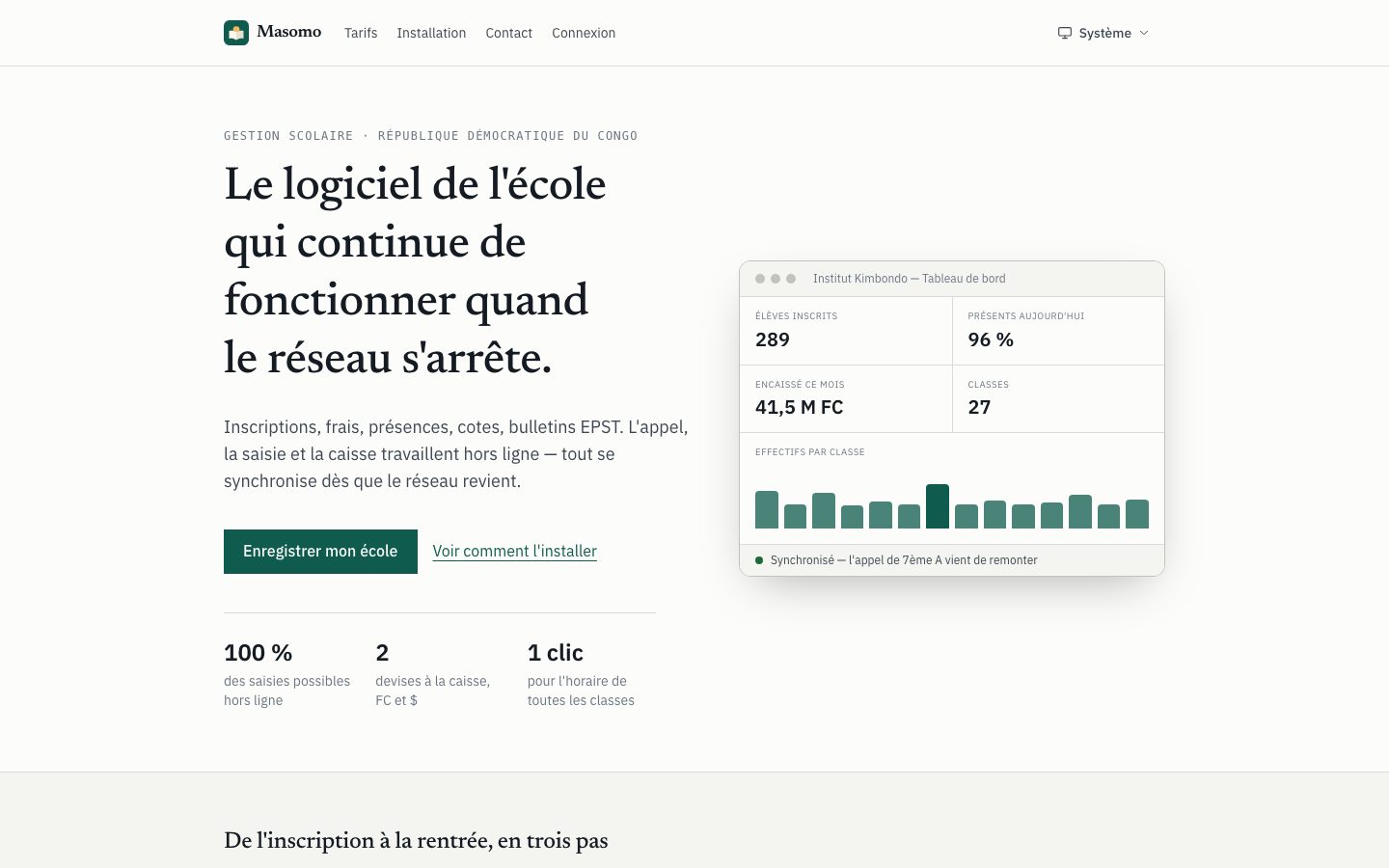
Masomo is school management software: enrolment, attendance, grades, fees and the cash desk, designed to keep working when the network stops, because the schools it serves cannot depend on a stable connection.
Adifile handles the administrative management of a company: the documents, procedures and obligations that a business has to keep in order and be able to produce on demand. It is the direct descendant of what I learned at AdminAtete.
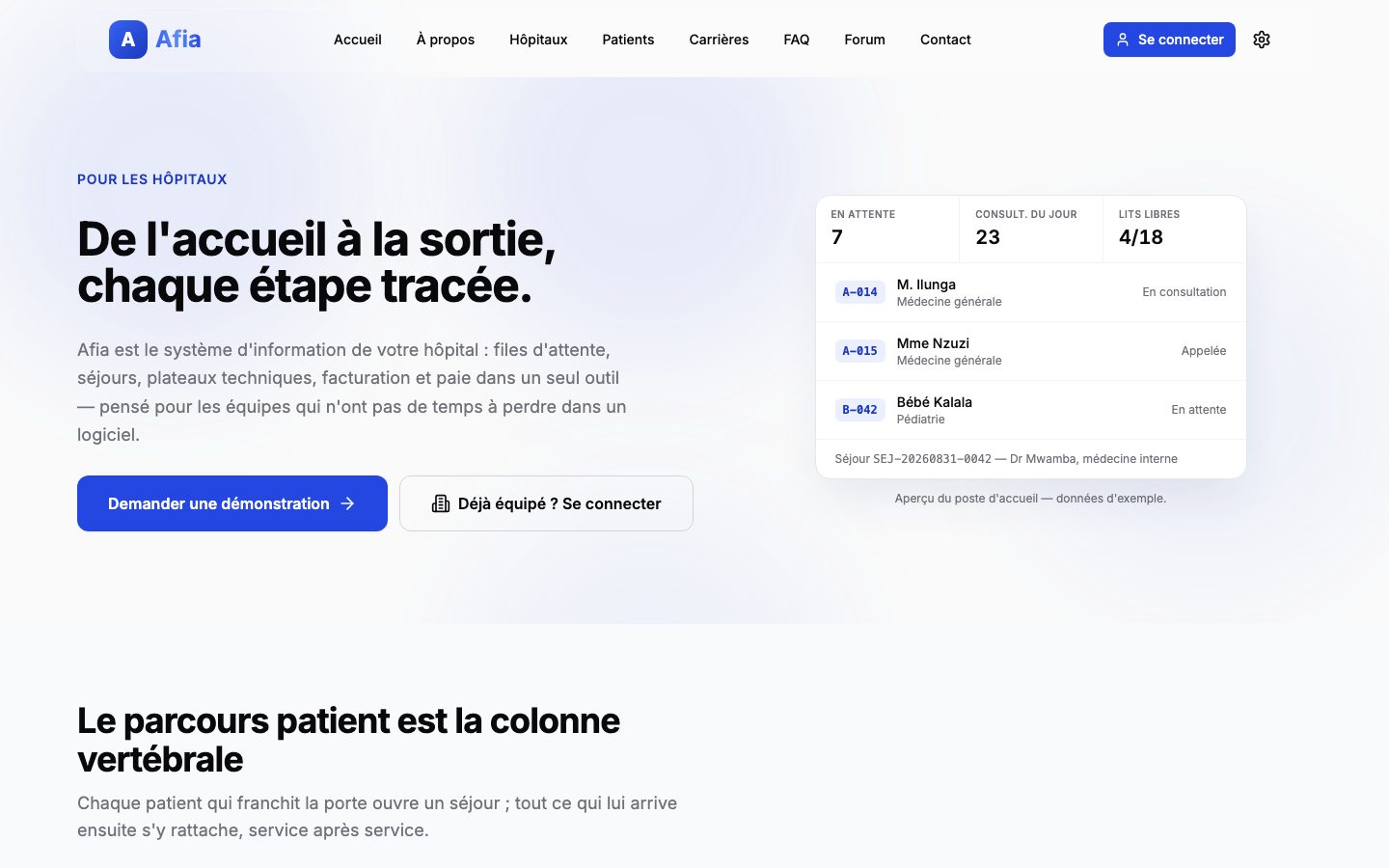
Afia is a hospital management platform: patient records, consultations and the flow between patients and healthcare providers, so that a clinic knows who was seen, by whom, and what was prescribed.
None of these came from a brainstorming session. Each one is a problem I had already met, in a company or in daily life, and solved the way those companies had taught me to solve it: start from the need, build only what is necessary, deliver it with support, and charge for the value.
6. The lesson: once you have the skills, build only to solve a problem
Here is the rule I wish someone had told me at stage one.
While you are learning, build anything. A chat app, a to-do list, a clone of a social network: those are exercises, and exercises are how you get the skills.
But once you have the skills, those projects stop helping you. Nobody pays for the fifth chat app. Nobody pays for a clone of Facebook. People pay when you look at a real problem in their daily life and remove it.
Skills are the entry ticket. The problem is the business.
Look at the two products people were quickest to pay for:
- Cobiz solved a problem every shop owner has: knowing what is in stock, what was sold today, who still owes money, and having an invoice ready without a notebook or a spreadsheet. Nothing in it was technically new. All of it was worth money, because it replaced a worry.
- Safirisha solved the daily chaos of a transport company with several branches: parcels lost between agencies, seats sold twice, drivers assigned by phone call, and a manager who only knows the day’s revenue the next morning. Again, nothing exotic. A very real problem, and a company that was glad to pay to see it gone.
The pattern is always the same. The problem is visible, it costs the client time or money every single day, and the client can see it disappear the first week they use the software. When those three things are true, monetising is not hard. You do not have to convince anyone. You show them their problem, gone.
What I would tell the developer I was
- Code for passion first. That is where the fundamentals come from.
- Then pick projects that stretch you, even if they pay less. Skills compound.
- Then get paid for expertise, and learn to answer the client’s need rather than your own curiosity.
- Build in public. Reputation is what turns skills into offers.
- Once you have all of that, stop building exercises. Find a real problem in daily life and solve it. That is the moment people pay.
The distance between code and business is not a diploma or a round of funding. It is the moment you stop asking “what could I build?” and start asking “what problem, that someone already has, can I make disappear?”